
Bladder cancer
Bladder cancer occurs more commonly in men than women and usually affects older adults. About 70% of bladder cancers diagnosed start out at an early stage. At this stage, bladder cancer is highly treatable.
About bladder cancer
Bladder cancer occurs more commonly in men than women and usually affects older adults. Cigarette smoking and exposure to industrial chemicals and toxins have been linked to bladder cancer. Bladder cancer begins with growth of abnormal cells in the inner lining of the bladder. Although it's most common in the bladder, this same type of cancer can occur in any part of the urinary tract. About 70% of bladder cancers diagnosed start out at an early stage. At this stage, bladder cancer is highly treatable. However, even early stage bladder cancer can recur and people with bladder cancer typically need follow-up tests for years after treatment to check for recurrence of bladder cancer.
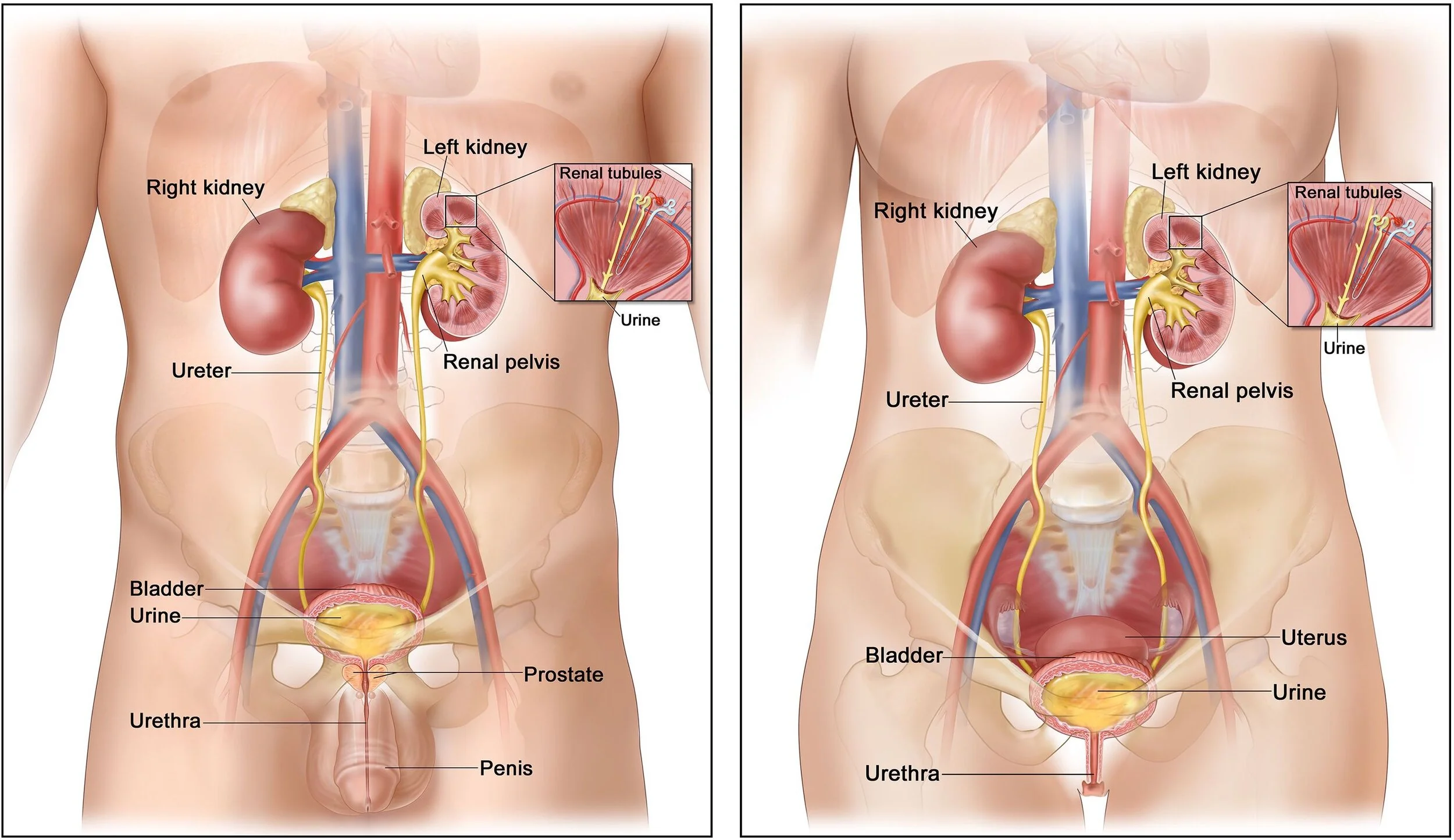
Symptoms
If you see blood or blood clots in your urine, see a doctor immediately to work out the cause. Other symptoms include:
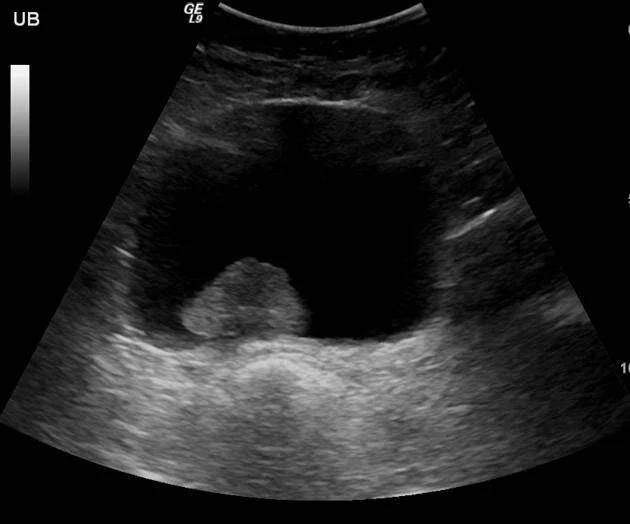
Tests
Tests to rule out bladder cancer include:
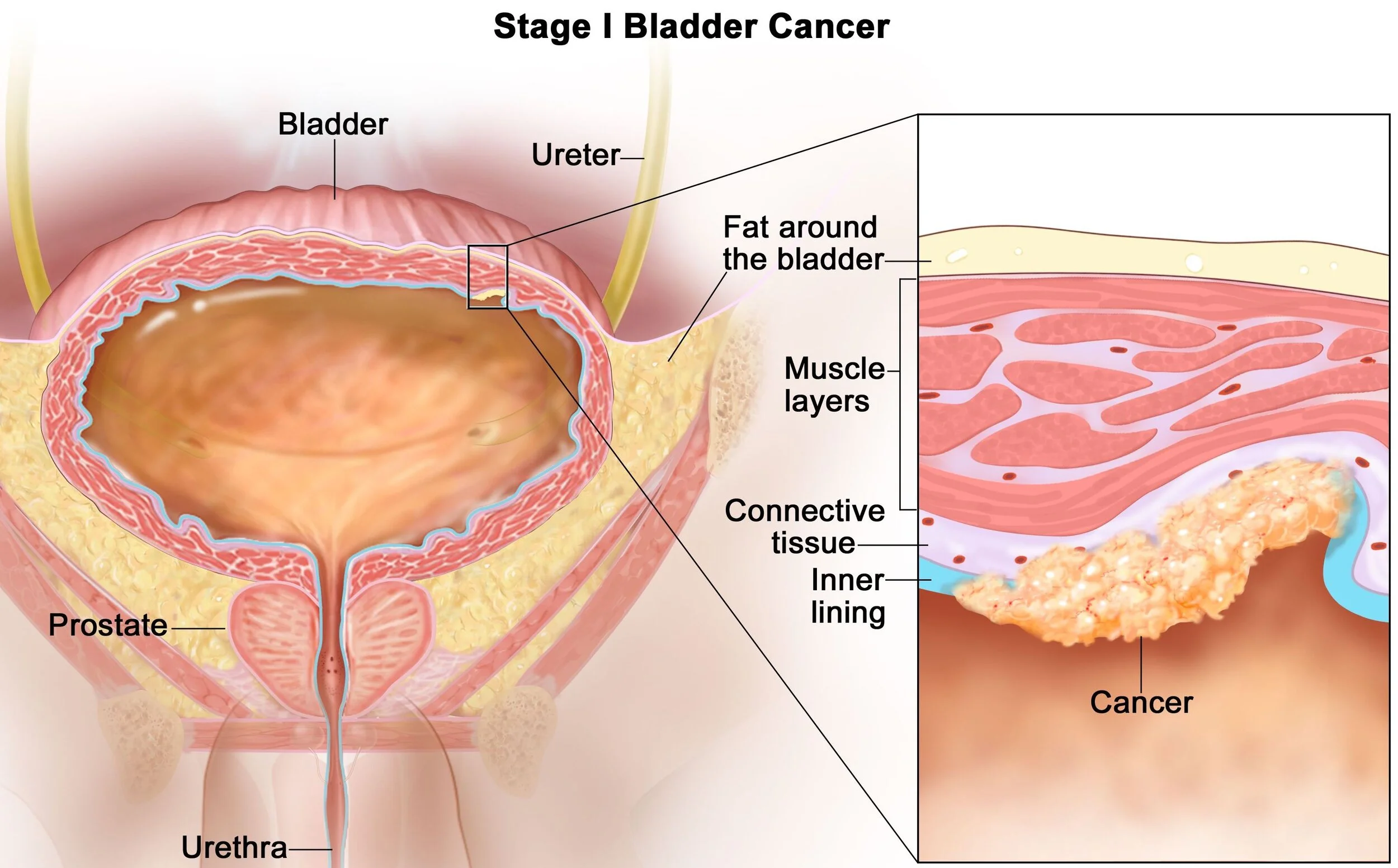
Stages of Bladder Cancer
There are a number of stages in the development of bladder cancer. The more information we have about the stage of the bladder cancer, the better we are able to choose the best treatment options.
Treatment
There are multiple treatments for bladder cancer depending on the stage of your bladder cancer, your personal preferences and your overall health. Bladder cancer treatment often requires a multi-disciplinary team. We will provide the urological expertise for your cancer care and we will consult with our colleagues including medical oncology, radiation oncology, and radiology to tailor the best treatment plan for your specific needs. Treatments for bladder cancer include:
Speak with our team
Have a referral or a question about your care? Our team is here to help.
Call (08) 8119 0961Speak with A/Prof Akbar Ashrafi
Consultations are available across our Adelaide locations. Bring your referral and any recent scans or test results, and we will talk through your diagnosis, the options available to you, and what to expect.